
The science behind MUSIC:EYES
MUSIC:EYES is engineered to maximize cognitive and emotional engagement by leveraging proven neuroscientific principles of multisensory integration and reward-based anticipation.
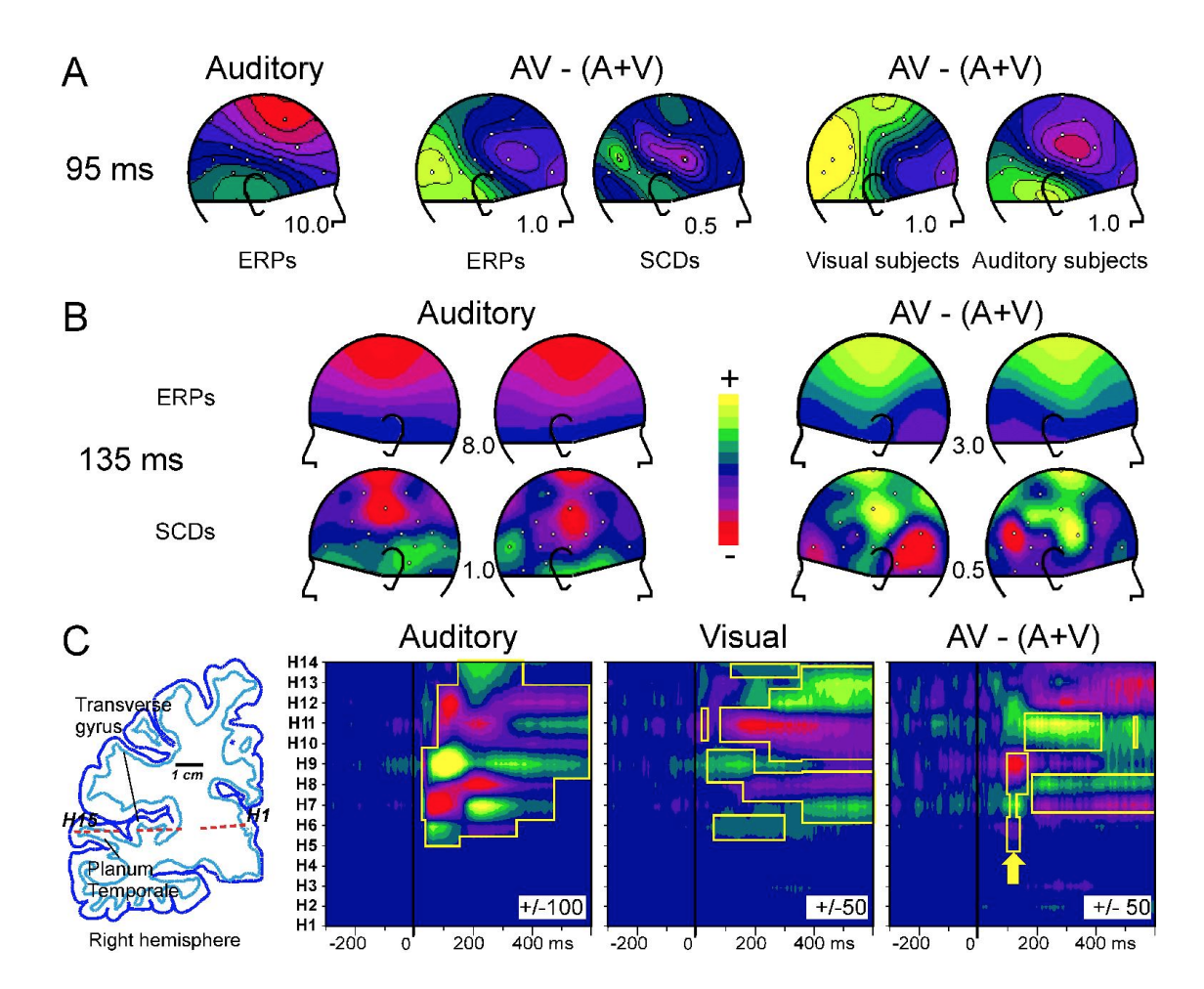
Multisensory integration
Visual information actively modifies auditory perception and memory. By integrating a visual counterpart to the score, we engage multimodal sensory processing, deepening both comprehension and retention of the music's structure.
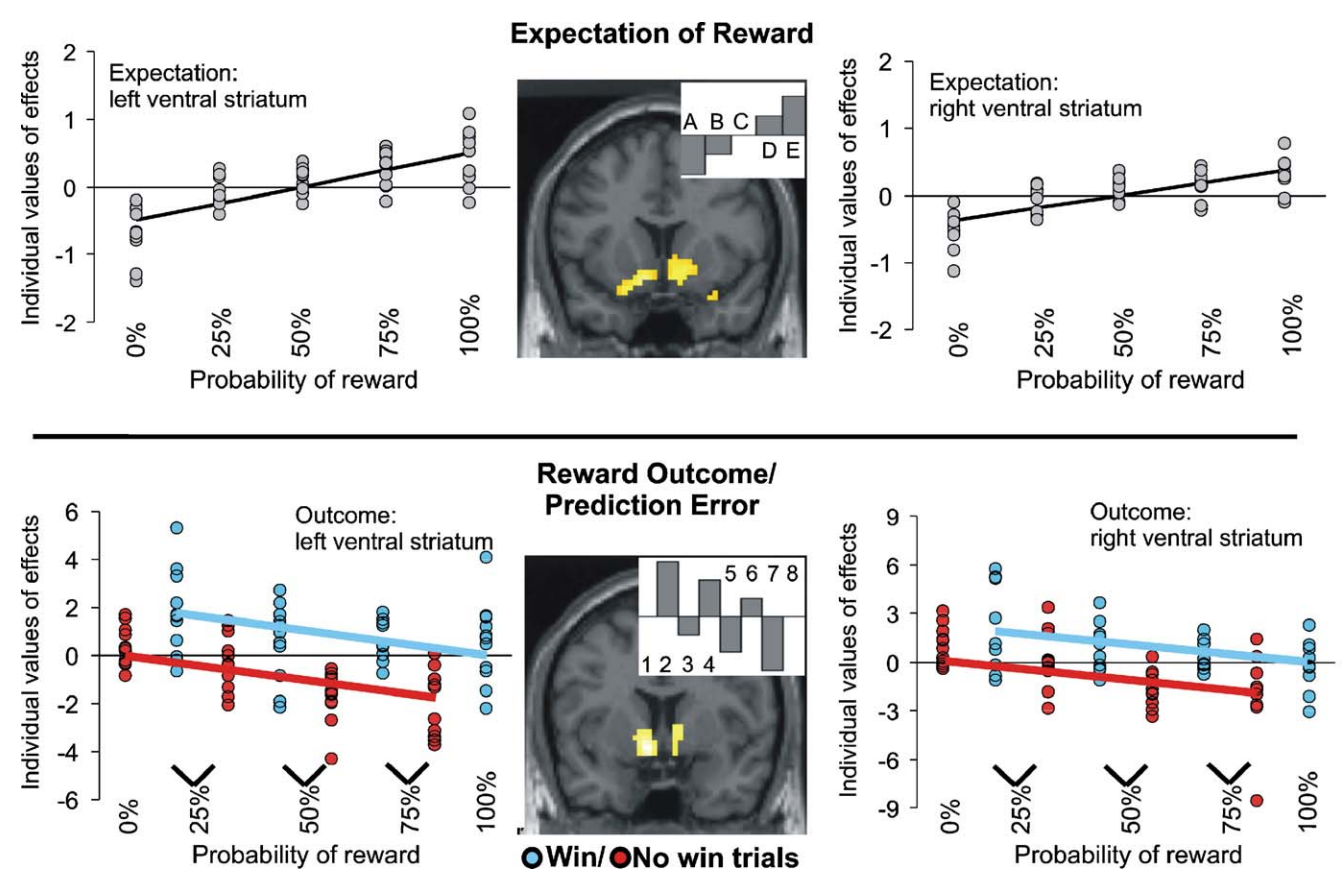
Reward-based anticipation
Correct prediction of future events increases dopamine activity in the brain's reward centers. MUSIC:EYES provides clear, structural visual cues, allowing audiences to correctly predict musical turning points, which translates into a heightened, pleasurable, and "addictive" listening experience.
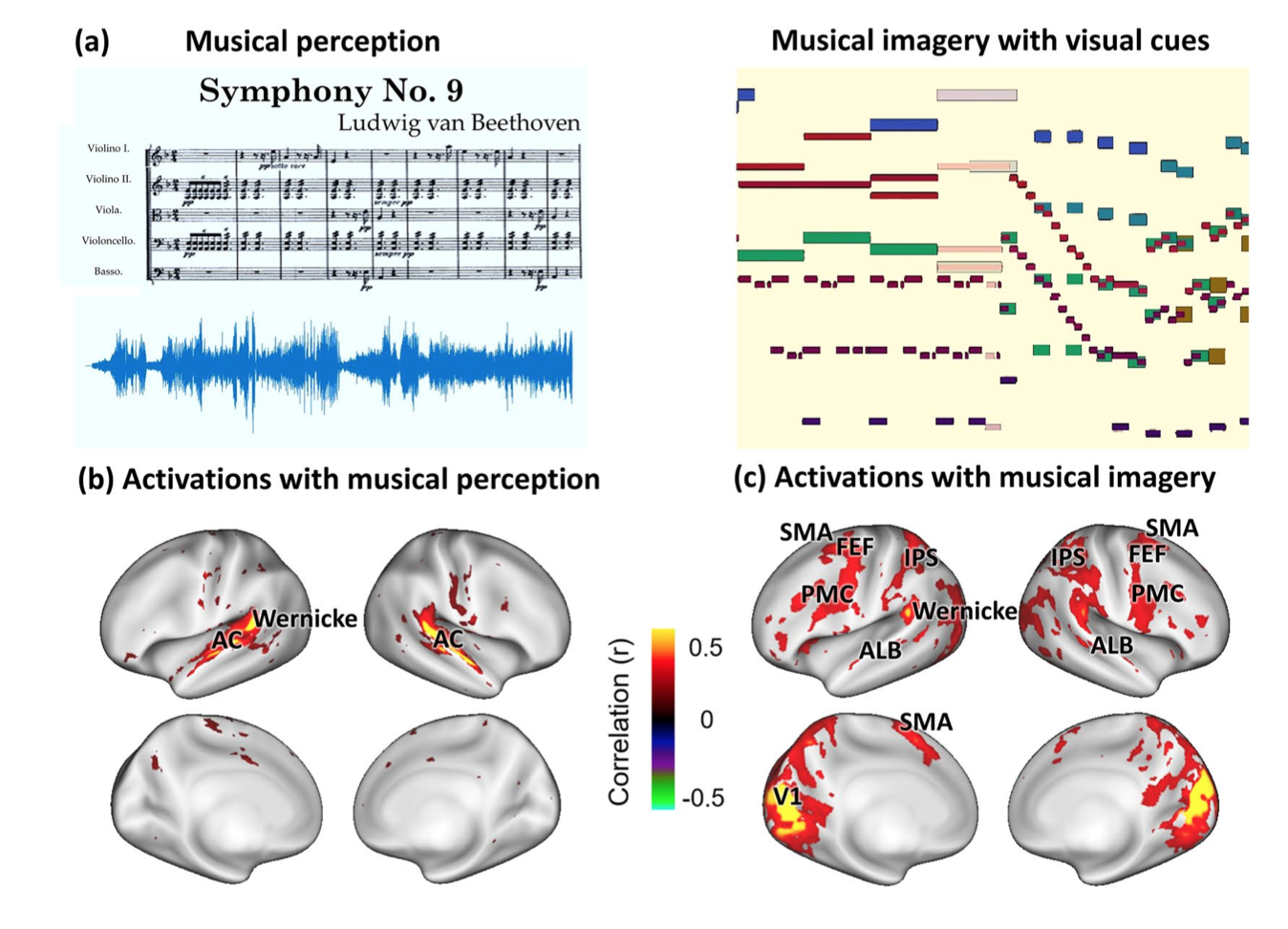
Deeper Cognitive Processing
Music visualizations are brain pleasers. The process of visually following the musical structure activates language-processing areas, indicating a shift from purely emotional to deeper, structural, and analytical engagement for all listeners.
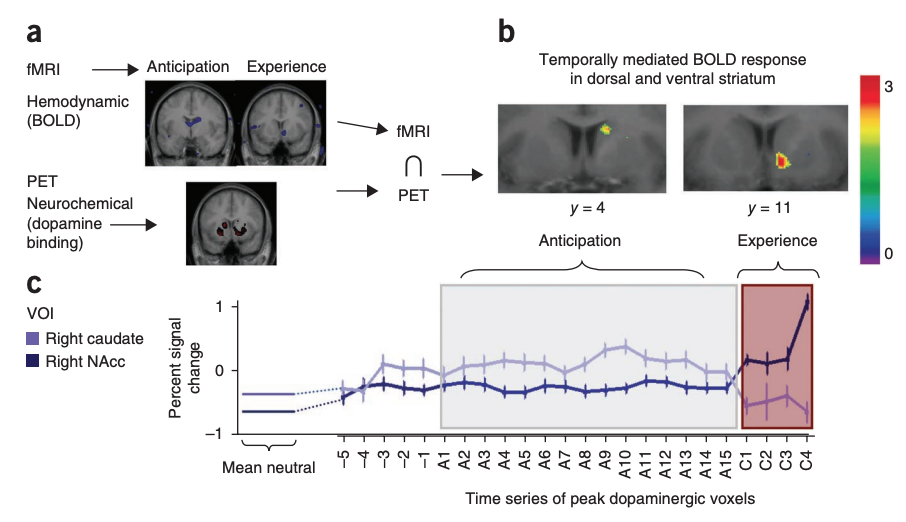
Emotional Peak Amplification
The powerful emotional experience of music—often described as "chills"—is linked to dopamine release. By visually and audibly aligning anticipation with musical climaxes, MUSIC:EYES amplifies the emotional peak and payoff, cementing a deeply moving memory.